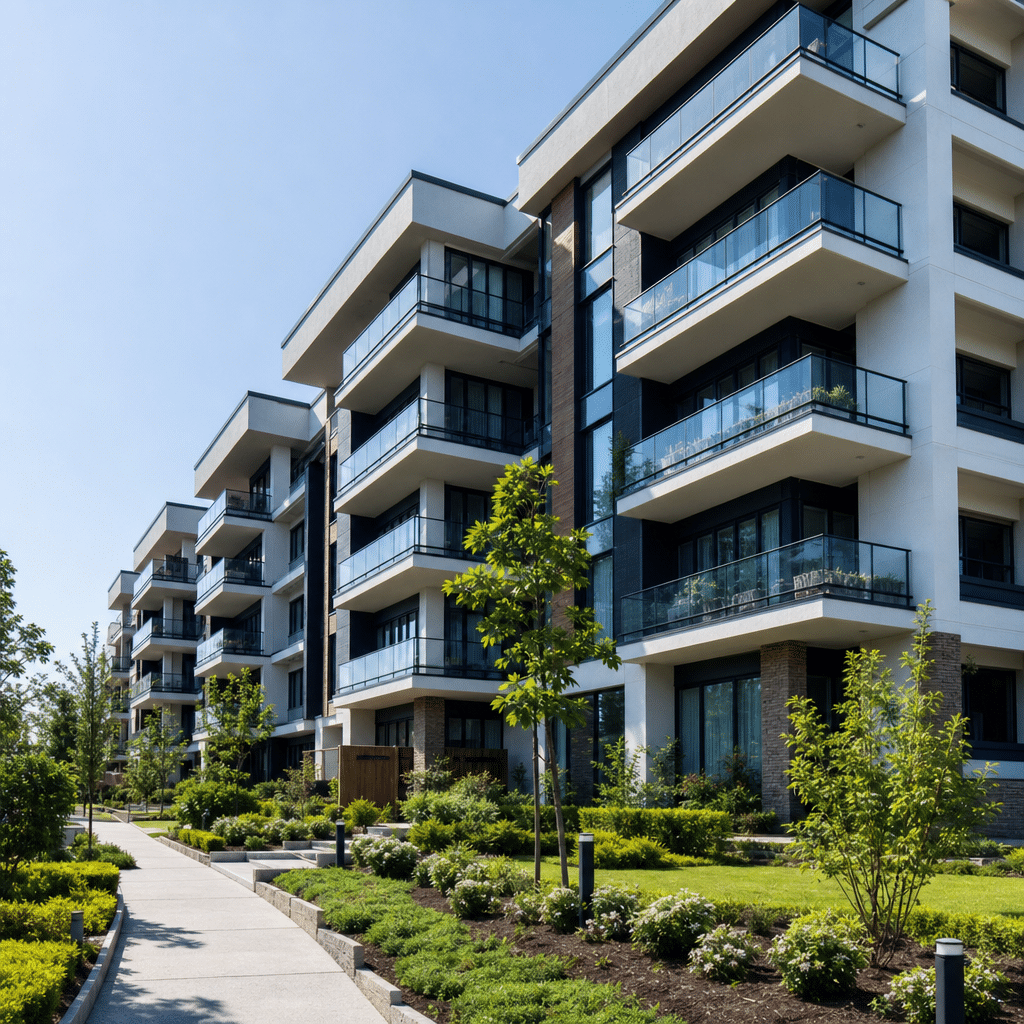
Most strata buildings are maintained by crisis. Something breaks, someone complains, the committee scrambles for a contractor and pays whatever the emergency callout costs. A preventive maintenance schedule flips that around: a simple plan that catches small problems on a routine before they become big ones. Here is a practical framework a committee can put in place this financial year, no property degree required.
What preventive maintenance actually means
Preventive maintenance is just servicing things on a schedule instead of waiting for them to fail. It is the difference between cleaning the gutters every autumn and only finding out they were blocked when water comes through a top-floor ceiling. For a strata building it covers the common-property assets the body corporate is responsible for: the roof and gutters, balcony membranes, drainage, the switchboard and common electrical, fire safety equipment, the lift, pumps, air conditioning, grounds and the building fabric itself.
Why reactive-only costs more
Running a building on breakdowns alone is the most expensive way to do it. Emergency rates are higher than booked work, failures tend to happen at the worst time, and small issues left alone grow into structural ones. A blocked drain becomes a balcony leak, a balcony leak becomes concrete cancer, and a cheap clean-out becomes a slab repair with scaffolding and a special levy. Planned maintenance is not about spending more, it is about spending the same money earlier, on your terms, when the fix is still small.
Start with one shared document listing every common-property asset, who services it, and when it was last done. Even a simple spreadsheet turns maintenance from something that lives in one committee member’s memory into something the whole committee and the next one can see and manage.
Building your schedule
Group the work by how often it needs doing. Quarterly tasks might include grounds and gardens, common-area cleaning and a quick visual check of balconies and the roofline. Twice-yearly tasks often cover gutter clearing before the wet season and air conditioning servicing. Annual items include the fire safety assessment, lift compliance, pump and drainage checks and a switchboard look-over. Then there are the longer-cycle inspections, like a building fabric and waterproofing review every few years, that catch the slow problems early. Your strata manager and your regular contractors can help you set realistic intervals for your specific building.
Making it stick
A schedule only works if someone owns it. Assign responsibility, whether to the strata manager, a building manager or a committee member, and review it at each committee meeting so nothing quietly slips. Tie the bigger recurring items into the sinking or capital works fund so the money is there when the work falls due. Keep records of what was done and what the contractor found, because that history is gold when you are planning next year’s budget or handing over to a new committee. Done well, a maintenance schedule is the single most effective thing a committee can do to protect the building’s value and keep levies predictable.
Setting up a maintenance plan for your building?
Find strata-experienced contractors across every trade your building needs, from roofing and waterproofing to electrical and fire safety.